

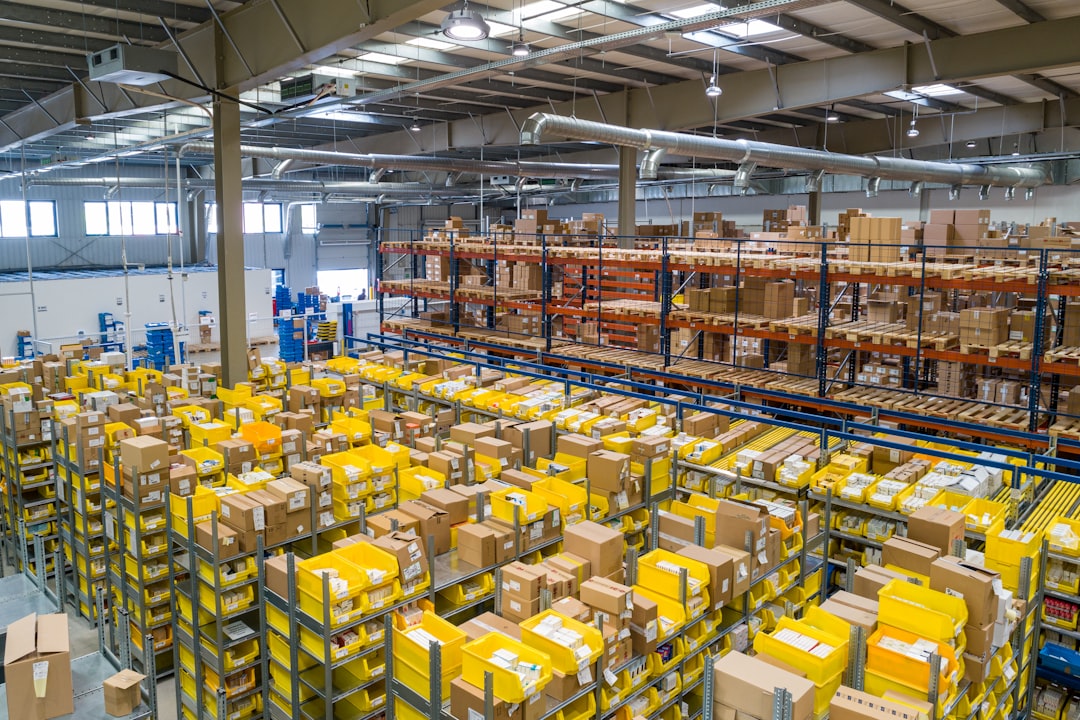
In retail and F&B, inventory cost is one of the biggest costs you carry — the goods, storage, and losses from expiry or shrinkage. Without good control, profit quietly leaks away. An inventory management system helps you control, optimize and use stock efficiently — directly cutting cost and lifting profit.
1. What is an inventory management system?
An Inventory Management System is a software tool that tracks product quantities, goods received and issued, and stock movement — with analytics to guide decisions such as:
- When should we reorder?
- How much stock should we hold?
- Which products should we discontinue?
2. What goes wrong without one
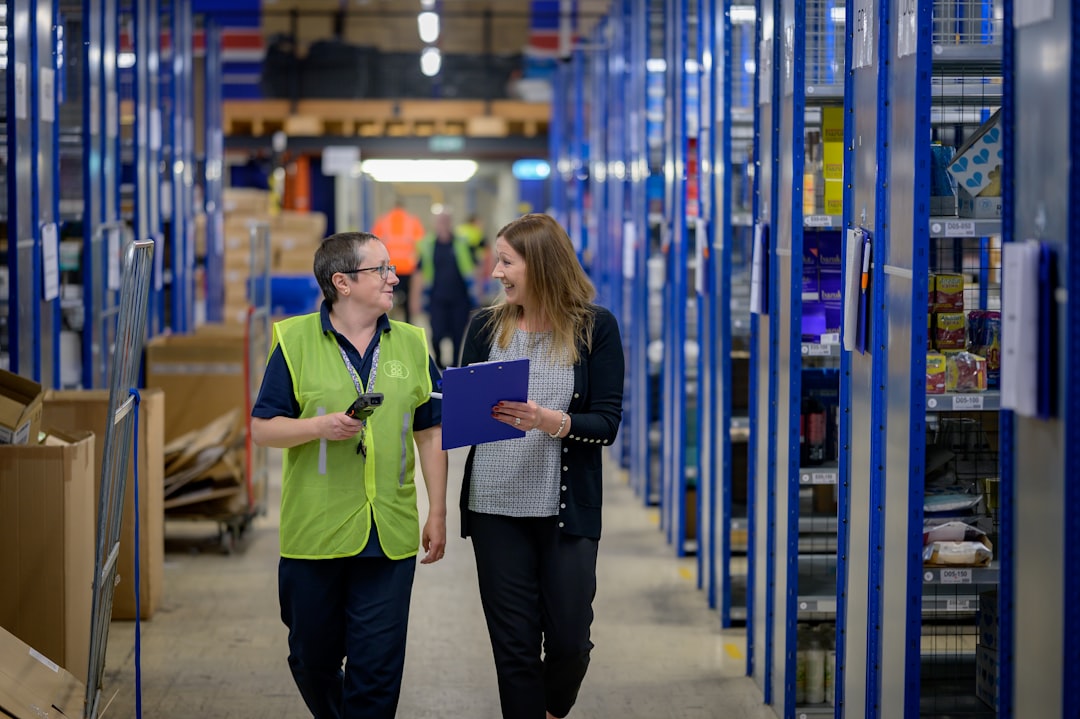
| Problem | Impact on the business |
|---|---|
| Stock-out | Frequent shortages, unhappy customers, lost revenue |
| Overstock | Too much stock, high cost, expiry risk |
| Shrinkage | No accurate checks, losses you never see |
| Mismatched data | Branches out of sync, wrong decisions |
3. 5 ways smart inventory cuts cost
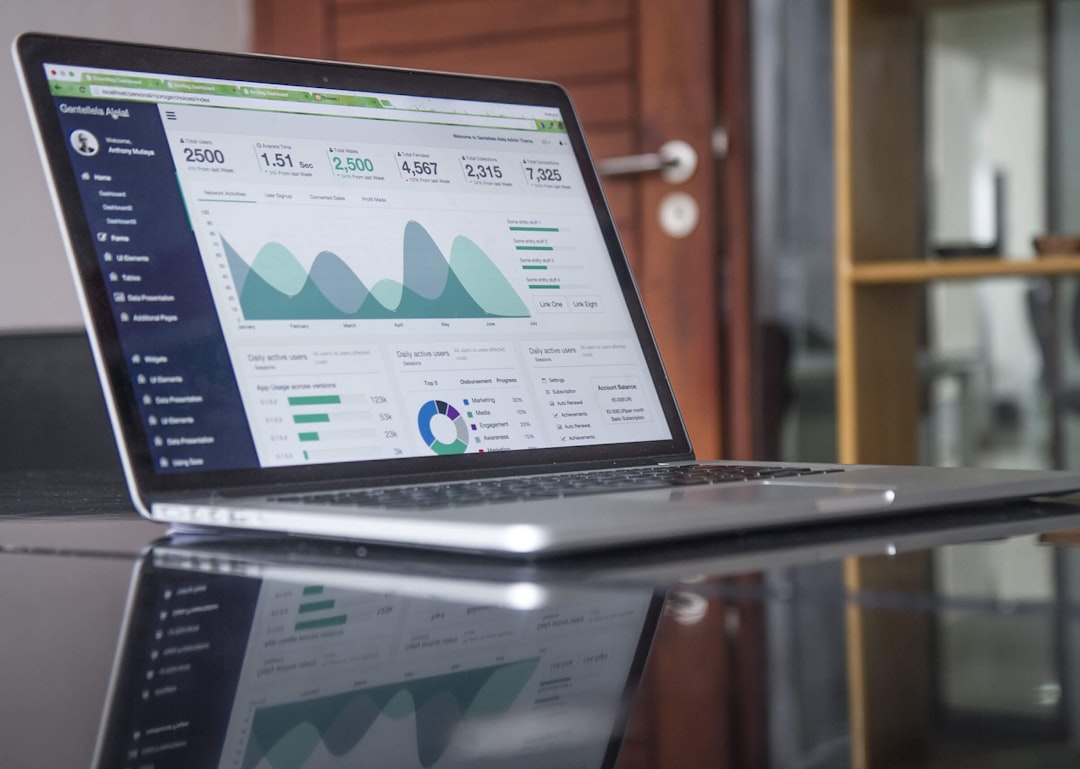
- Lower carrying costs — keep optimal stock levels to cut warehouse rent, utilities and storage labor
- Prevent expiry and waste — alerts flag near-expiry items so you can promote or move them before they're lost
- Optimize purchasing — demand forecasting tells you what to order, how much, and when
- Control shrinkage — track every item from receipt to sale, reducing theft, fraud and human error
- Decide on real data — see bestsellers, slow movers and high-margin items to refine your assortment
4. Who benefits

- Retail stores — keep shelves stocked without overordering, with real-time stock visibility
- Restaurants / F&B — control raw materials and cut waste from expiry, holding costs in check
- Wholesalers — manage thousands of SKUs more easily and cut shipping errors
5. Is an inventory system worth it?
An inventory system is more than digital record-keeping — it's a strategic investment that reduces cost, improves profitability and keeps a business competitive, especially when speed and accuracy matter most. If you still track by hand or in spreadsheets, it's time to move to a real system for sustainable growth.