

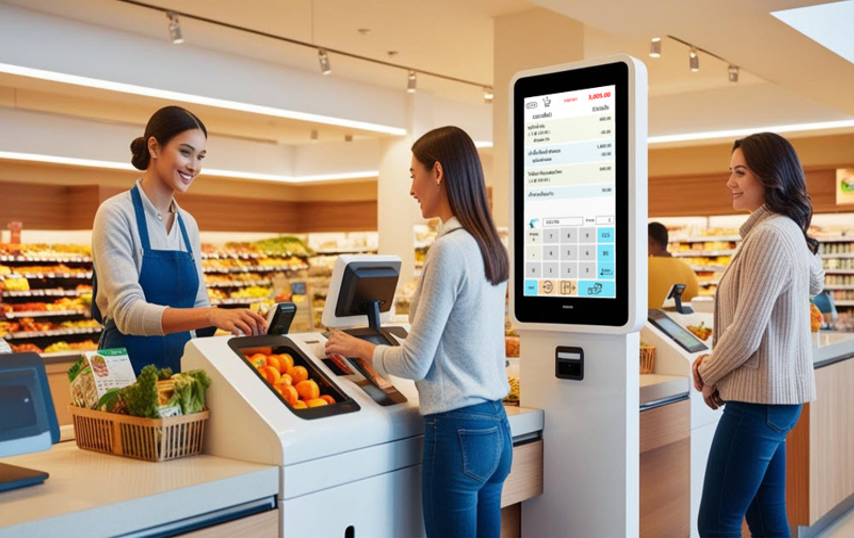
The old image of a POS as just a “cash register” sitting at the counter is long outdated. Today a POS is the data hub that links sales, stock, customers and accounting — turning every transaction into information you can actually decide and grow on.
From cash register to business data hub
An old register did one thing: total the bill and hold the cash. A modern POS records the story of every sale — who bought what, when, at what price, paid how — and turns it into an overview managers can act on immediately.
What a modern POS really does
| Capability | What the business gets |
|---|---|
| Sales management | Record bills, auto tax and discounts, many promotion types |
| Inventory | Real-time deduction, low-stock alerts, synced across branches |
| Customer / CRM | Purchase history, membership and points to drive repeat visits |
| Reporting & analytics | Sales, profit, bestsellers, per-branch/per-staff, in real time |
| Integration | Accounting, e-Tax Invoice, online channels and ERP |
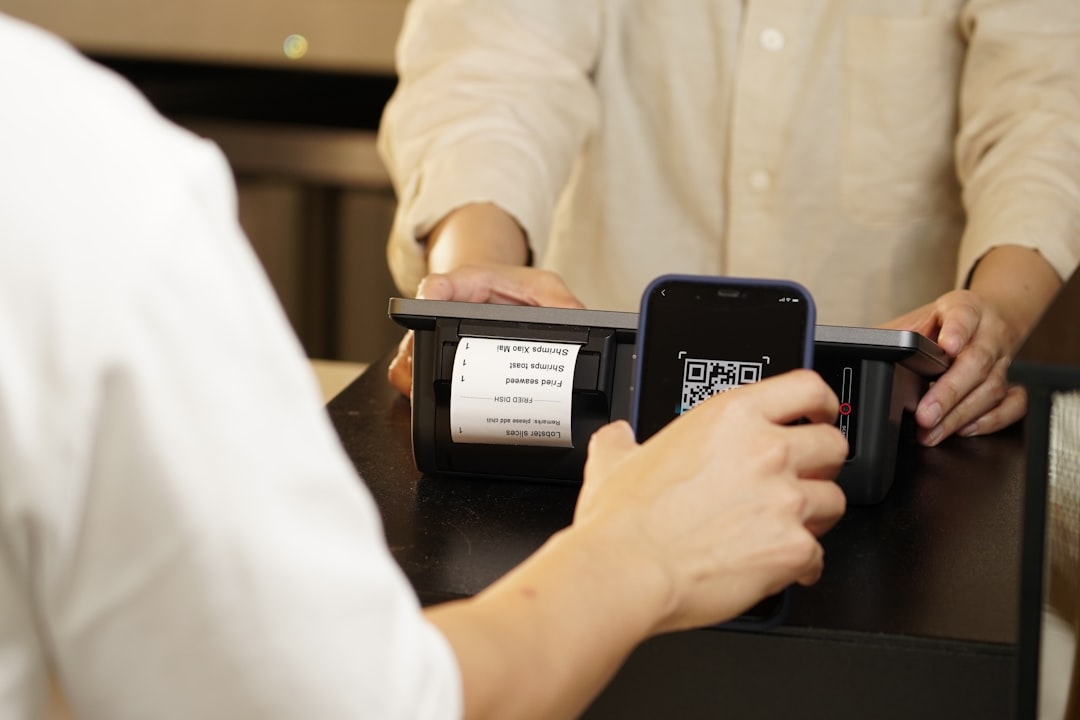
Data is the asset a POS gives you
Every sale generates valuable data. Used well, it answers almost every question that matters.
- When you sell most, so you can staff and stock just right
- Which products make money, and which to drop
- Which customers come back, and which promotions actually work
- Which branches perform, and where to improve
A POS that connects the whole system
The real value appears when the POS doesn't work alone but connects to the rest of the business, letting data flow without re-keying.
- Accounting — faster closing and reconciliation, less double entry
- e-Tax Invoice — issue electronic tax invoices to Revenue Department standards
- Online channels — sync stock and orders from Lazada/Shopee in one place
- Multi-branch — run from the center even while each store works offline
Summary
In short: a good POS isn't just where money is kept — it's the brain of the storefront, turning every sale into data and data into decisions that grow the business.