

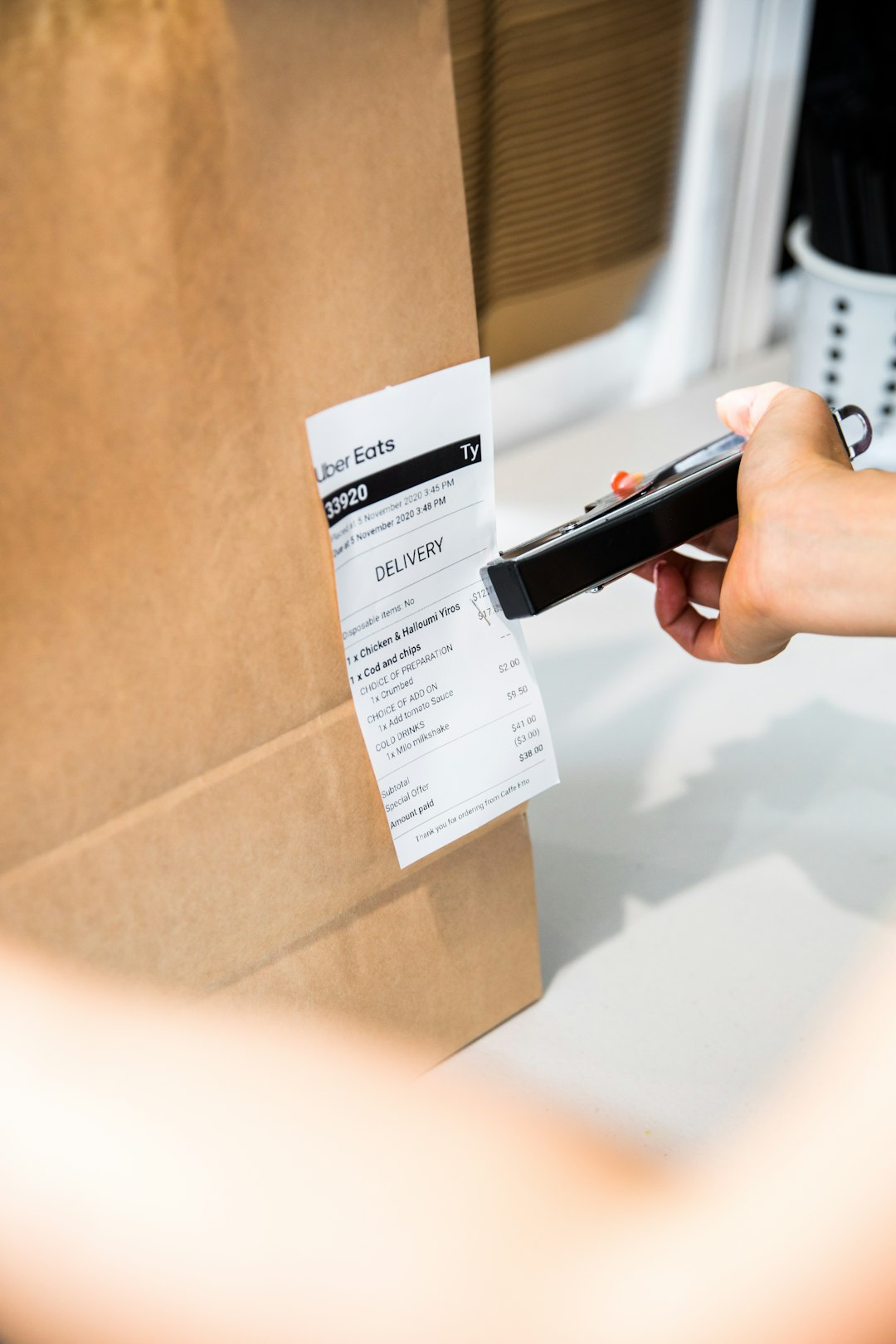
A barcode is a machine-readable code that represents data as black-and-white bars or dots, read by a scanner or digital device. It's used everywhere in retail, warehousing, logistics and manufacturing to capture and track products quickly and accurately.
1. What is a barcode, and how does it work?
- Generate — the system creates a code representing data such as a SKU, price or serial number
- Print — it's printed onto product labels, packaging or receipts
- Scan — the scanner converts the bars into digital data automatically
- Decode & process — the POS turns it into product details like name, price and stock on hand
2. Barcode types — 1D and 2D
| Property | 1D barcode | 2D barcode |
|---|---|---|
| Format | Vertical black-and-white bars | Dots/grid, read both ways |
| Data capacity | Limited digits/letters | More — supports URLs, files, long text |
| Print area | Grows longer with more data | Holds more in a smaller space |
| Scanner | Laser scanner | Image reader or phone camera |
| Examples | EAN-13, UPC, Code 128, Code 39 | QR Code, DataMatrix, PDF417 |
3. Common 1D barcodes
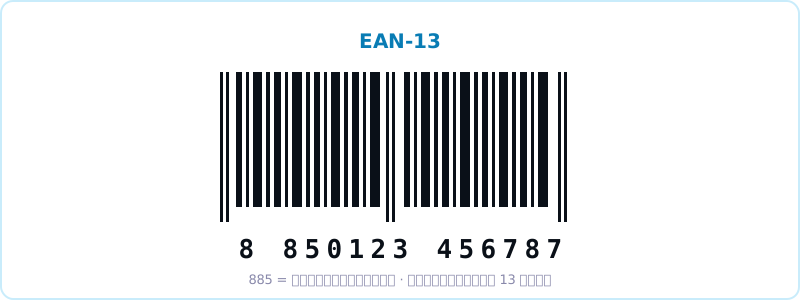
EAN-13 (European Article Number) — the 13-digit international standard used in retail and supermarkets worldwide. It stores a product code and connects directly to the POS (e.g. 885 = Thailand country code, followed by company code, product code and a check digit).
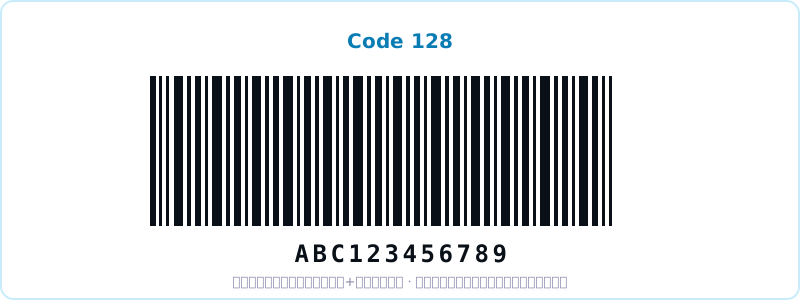
Code 128 — supports letters and numbers and holds more than EAN-13; popular in logistics, warehousing and product tracking.
4. Common 2D barcodes
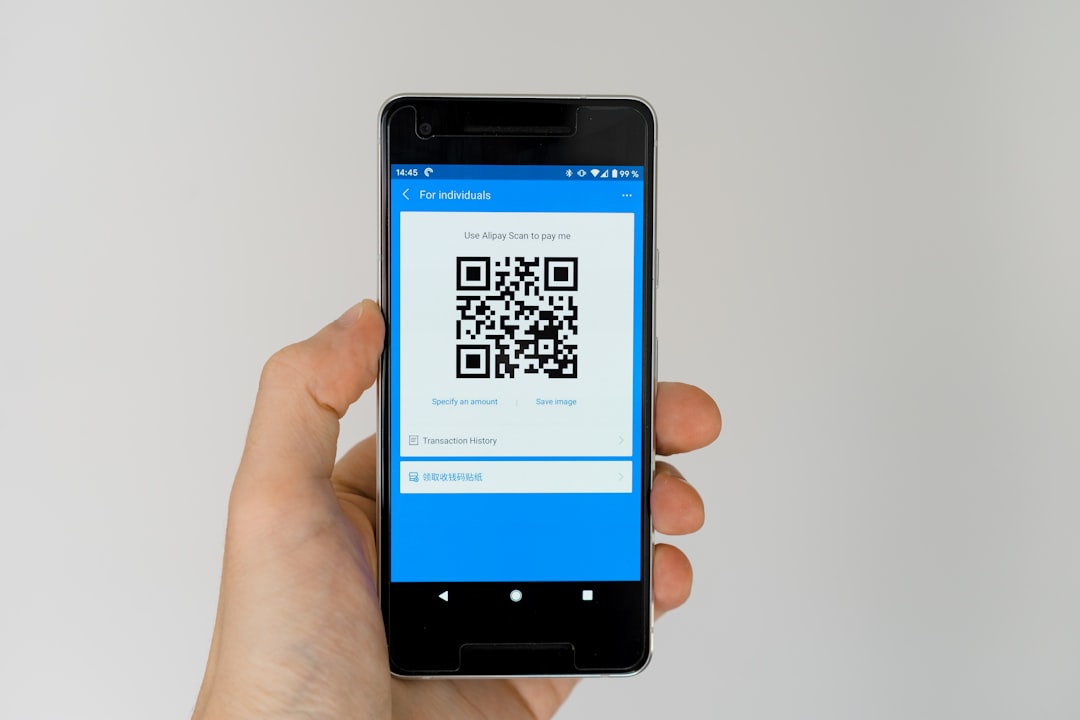
- QR Code — stores numbers, text, web links and files; scannable by a phone camera with no dedicated scanner
- DataMatrix — small but high-capacity; used in logistics, electronics and medicine, e.g. on medicine boxes to encode lot number and expiry
- PDF417 — used on ID cards, boarding passes and official documents that must carry a lot of data
5. Business benefits of barcodes
- Faster and more accurate — scanning replaces manual keying and cuts errors
- Easy stock management — auto-deduct stock and count quickly
- End-to-end tracking — from warehouse to delivery
- Lower cost and automation — less labor and human error
6. Barcodes with your POS
Paired with a POS, barcodes make selling fast and accurate — scan to pull price and product details, auto-deduct stock on each sale, eliminate keying errors, and link sales data to inventory and accounting.
7. Choosing the right barcode for your business
- General retail → EAN-13 / UPC for scanning prices at the point of sale
- Warehousing and logistics → Code 128 for higher capacity and flexibility
- Modern payments and marketing → QR Code scanned by phone
- Small parts / medical → DataMatrix, small but high-capacity